About Dr. Adam Bruene
I’ve spent 17+ years trying to answer one question: what actually helps?
That question has shaped the way I treat pain, study movement, and teach people to understand their own bodies. Instead of starting with assumptions, I look for what changes the problem, then build from the response.
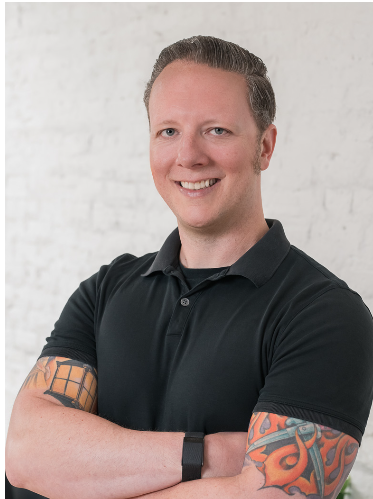
Adam Bruene, DC, Cert. MDT, DNSP, DNSET
Mechanical Diagnosis & Therapy Certified · Dynamic Neuromuscular Stabilization Certified Practitioner & Exercise Trainer
Clinical Approach
The diagnosis matters. How the problem behaves matters too.
A label can tell us what region hurts or what a scan shows. It does not always tell us which movement will change the symptoms, restore motion, or give us a useful direction for treatment.
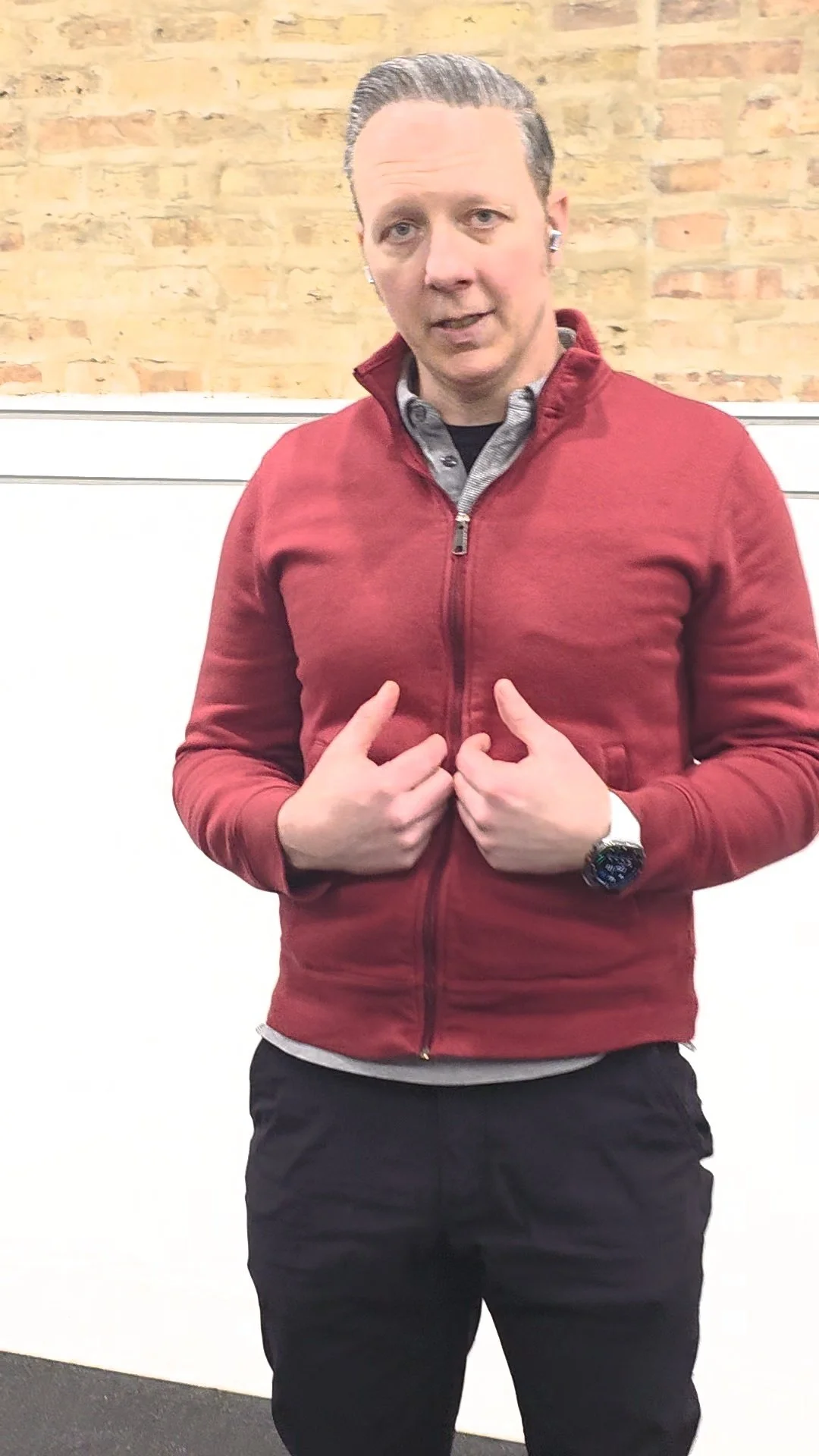
My assessment starts by testing movement and paying attention to the response in real time. Does pain move toward the spine or farther away? Does range of motion improve? Does repeated loading make the problem clearer rather than simply more painful?
Mechanical Diagnosis & Therapy gave me a systematic framework for asking those questions. Instead of assuming that every painful back, neck, hip, or shoulder needs the same treatment, I look for a reproducible response that tells us something about how the problem behaves mechanically.
Learn more about Mechanical Diagnosis & Therapy →Once that response becomes clear, the plan usually becomes simpler: reinforce what improves the presentation, stop repeating what consistently makes it worse, and use the response to decide what comes next.
Rebuilding Movement
Changing the pain is only the first half.
Once symptoms settle and movement opens up, the question changes: how do we build enough control, capacity, and coordination to do more?
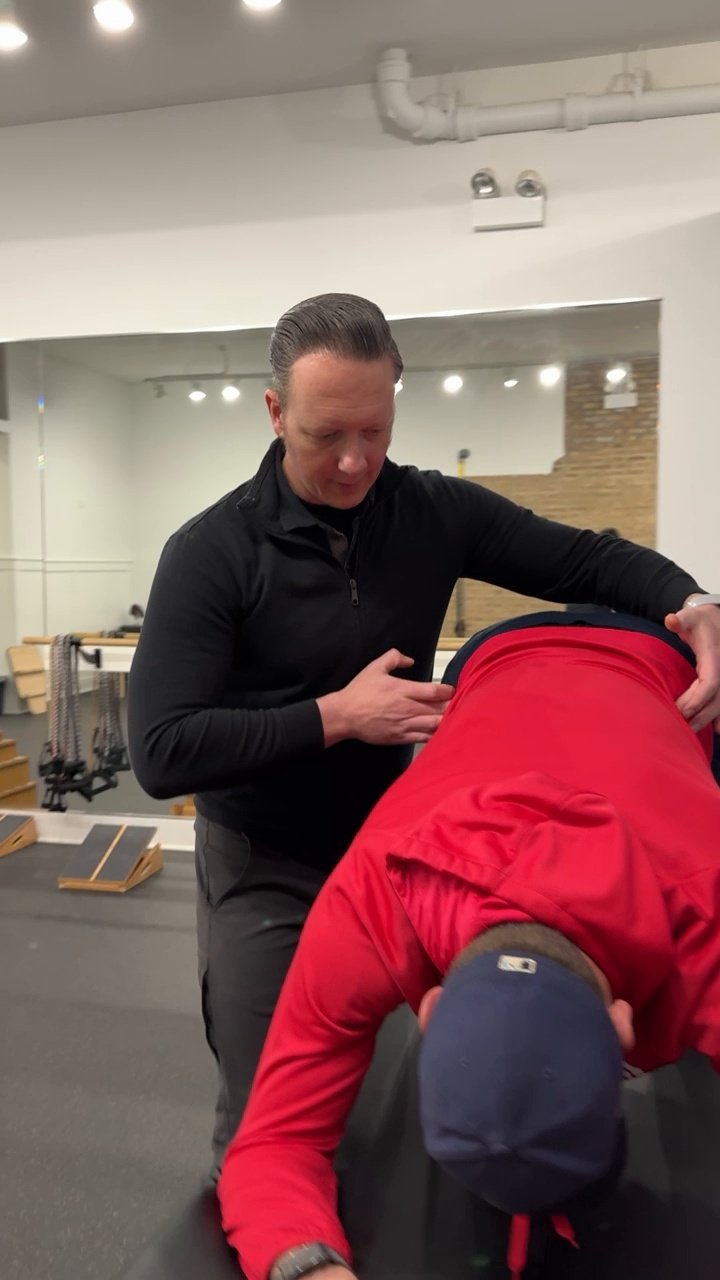
Dynamic Neuromuscular Stabilization gave me a framework for that next phase. It looks at how breathing, pressure control, joint position, stabilization, and coordinated movement work together as demands increase.
Learn more about Dynamic Neuromuscular Stabilization →The goal is not to find one “perfect” posture or teach one correct way to move. It is to give the body more useful options, improve control through different positions, and progressively challenge those options under greater range, load, and complexity.
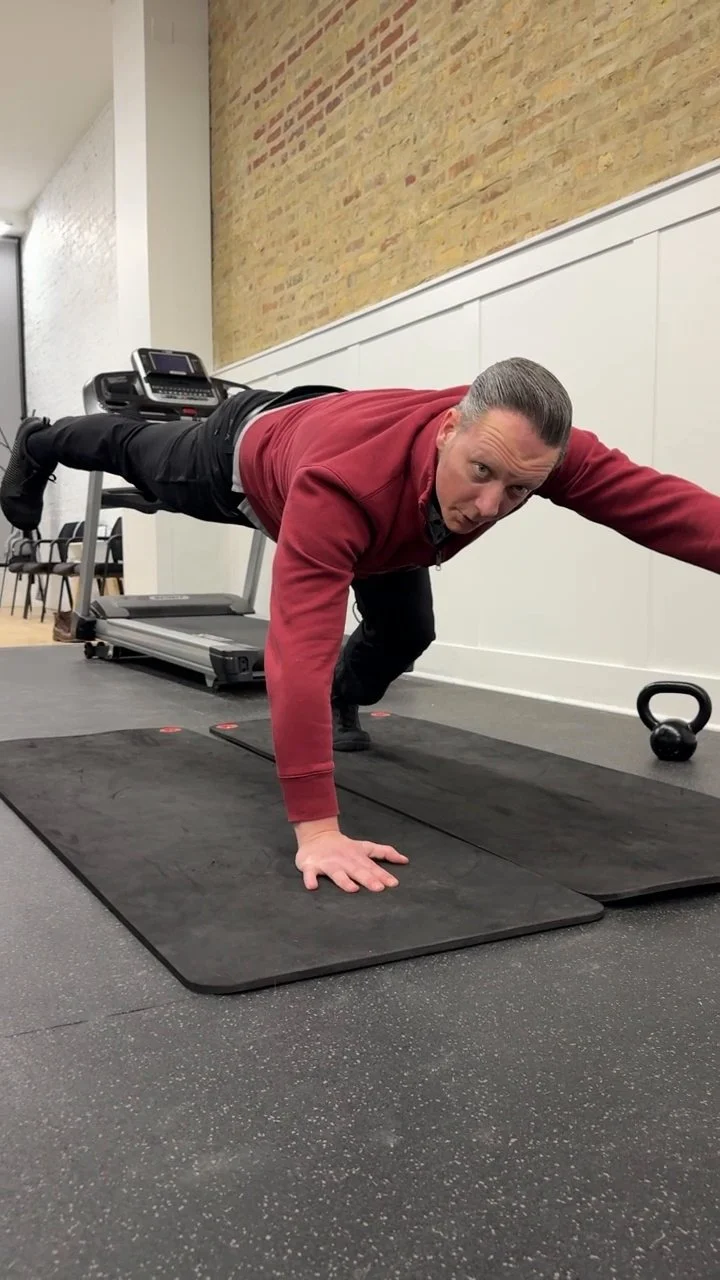
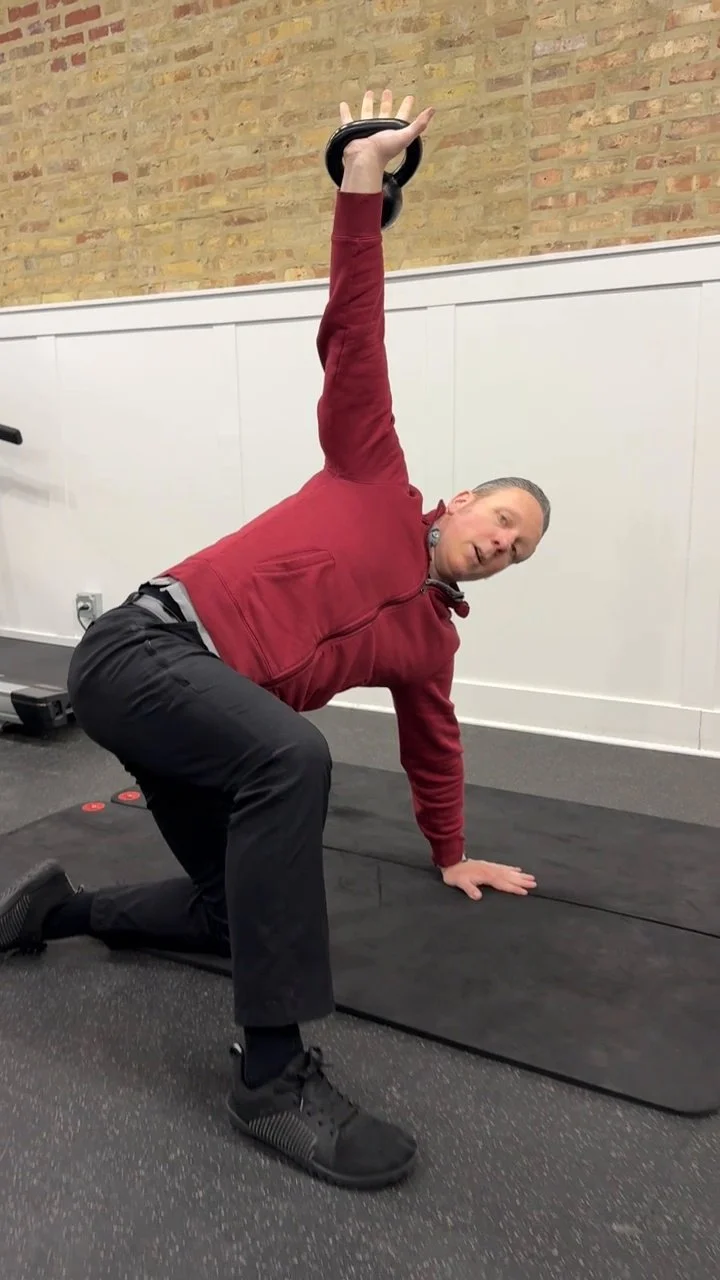
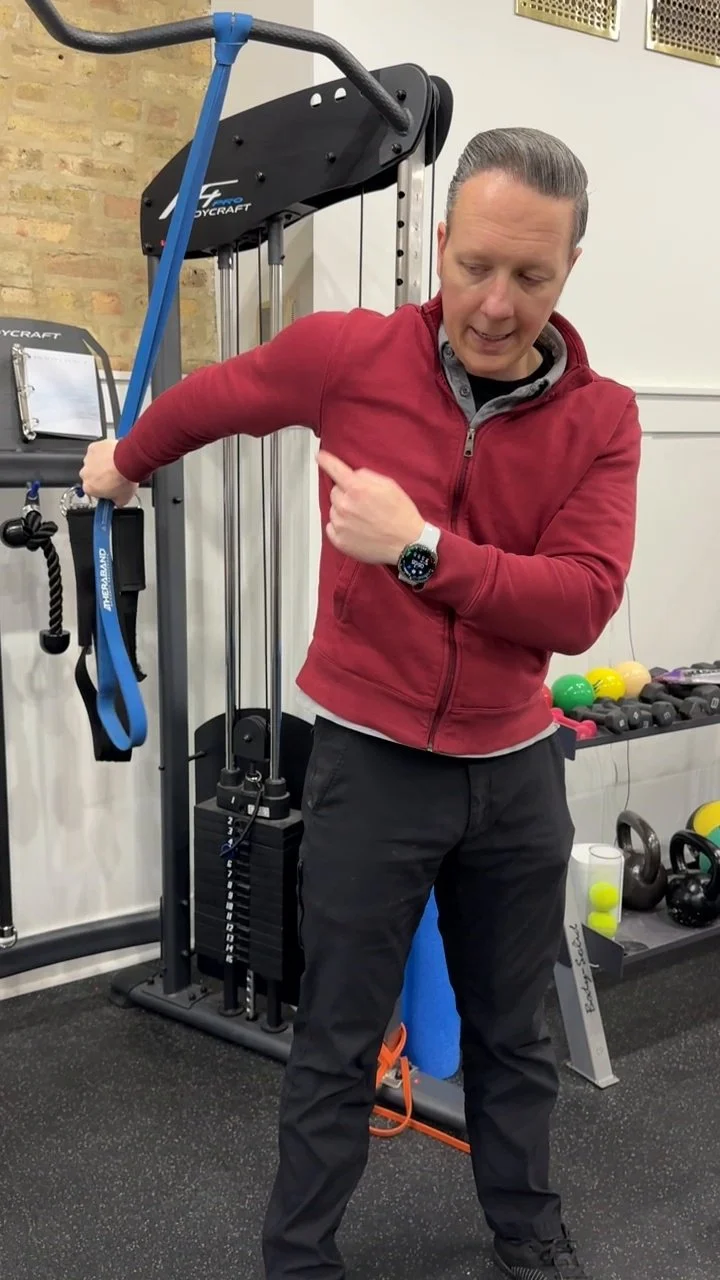
That progression may begin with breathing and developmental positions, then move into rolling, quadruped, kneeling, transitions, balance, strength, and increasingly demanding movement.
From Rehab to Performance
Getting out of pain should not be the finish line.
The point of rehabilitation is not to make your body something you have to protect. It is to build the capacity to ask more of it again.
As control improves, the demands should increase too. More range. More load. More speed. More complexity. Eventually, the controlled environment of rehabilitation has to reconnect with the unpredictable demands of real life.
That might mean returning to a sport, lifting confidently, running again, keeping up with your kids, or simply moving through the day without constantly negotiating with one painful body part.
Performance is relative to the person. For an athlete, it may mean competing at a high level. For someone else, it may mean trusting their body enough to stop organizing their life around what they are afraid will hurt.
Experience Across the Body
The body changes. The reasoning process doesn’t.
Back pain, shoulder pain, a running injury, and a performance problem are not the same thing. But each one benefits from the same discipline: understand the presentation, test what matters, and respond to what changes.
Over the years, I’ve worked with people dealing with acute and persistent spinal pain, extremity injuries, mobility limitations, return-to-sport problems, and performance goals.
Sometimes the most useful starting point is local. Sometimes it is not. A shoulder may be influenced by how the rib cage and trunk are moving. A hip may be limited by what is happening at the pelvis or spine. The point is not to assume the answer before the assessment begins.
The framework stays flexible on purpose. The problem in front of me determines which tools matter, not the other way around.
Spine · Extremities · Sport · Performance · Persistent Pain
The Person Behind the Process
I didn't arrive at this approach all at once.
It grew out of years of treating patients, studying different systems, testing ideas in the real world, and becoming increasingly skeptical of answers that sound good but don't change what happens in front of me.
I began practicing as a chiropractic physician in 2009. Early in my career, Mechanical Diagnosis & Therapy fundamentally changed how I approached musculoskeletal pain. It taught me to stop assuming what a patient needed and start testing for a meaningful response.
Later, Dynamic Neuromuscular Stabilization expanded that thinking beyond pain. It gave me a framework for understanding how breathing, stabilization, coordination, and developmental movement could be progressively challenged as someone moved from rehabilitation toward strength and performance.
My career has taken me from private practice and everyday musculoskeletal care to competitive sports environments, teaching, postgraduate training, and thousands of individual patient encounters. Each setting has forced me to keep asking the same question: is what we're doing actually changing something that matters?
NeuroActive grew out of that question. It isn't an attempt to turn every problem into an MDT problem or a DNS problem. It's an attempt to take the reasoning process I've developed in the clinic and make it useful beyond the treatment room.
Experience & Education
The training behind the approach.
More than 17 years of clinical practice, advanced postgraduate training, sports medicine experience, and teaching.
Education & Certification
Clinical & Sports
Teaching
Training provides the tools. The patient's response determines which ones matter.
Where to Go Next
Start with the problem you want to solve.
Get evaluated in person, work through pain on your own, or start building a stronger movement foundation.
Pain is the main problem? Start with the pain guides. Ready to focus on movement, strength, and performance? Start with the 12-week program.